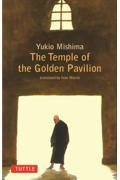
The Temple of the Golden Pavilion
(品切れの場合はご連絡いたします)
著者:三島由紀夫 イヴァン・モリス
出版社:タトル出版 日販アイ・ピー・エス(DIP)
価格:2,300円
発売日:2026年01月
判型:B6変/ページ数:276
ISBN:9784805320037
Mizoguchi has been mentally troubled since he witnessed his mother’s infidelity in the presence of his dying father. Mizoguchi feels utterly abandoned and alone. Until he becomes a priest at Kinka-kuji, a famous Buddhist temple in Kyoto. Failing in his quest to find the warmth of human companionship in the temple, the young man, tormented by the temple’s exquisite beauty, decides to destroy himself and all he loves. He feels he cannot live in peace as long as the temple exists. Mizoguchi, like many other troubled Mishima’s heroes, becomes obsessed with unattainable ideals.
近代日本文学の金字塔ともいえる三島の最高傑作『金閣寺』の英訳版。
The Temple of the Golden Pavilion reflects Mishima’s preoccupations with beauty and death in a clear and unmistakable manner. It is also an excellent example of a theme that frequently arises in Mishima’s work: the resentment of the object of desire. Because this novel, arguably Mishima’s best, reflects the author’s suicidal tendencies, it also offers us insight into one of the twentieth century’s greatest and most complex literary icons.