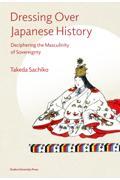
Dressing Over Japanese History
Deciphering the Masculinity of
"本書は、衣服を静的な対象として捉えるのではなく、それを着用する人間に焦点を当て、特定の衣服を選択して着用する行為がどのように情報交換を可能にし、社会的関係を形成してきたかを探究するものである。古来、衣服において性差は重視されず、階級の差が重視されていた点、すなわち衣服の「権力の表象」としての機能に注目することで、日本の王権の構造、およびそこから派生する美意識の変化を論じた。考察において「異性装」が日本史上果たした役割と意義にも光を当てており、異性装への議論が高まる近年の欧米においても、画期的な指針となりうる。『衣服で読み直す日本史 ―男装と王権―』(朝日新聞出版、1998年)の英訳版。
Clothing as a medium of power, identity, and change in Japanese history. This book does not treat clothing as a static object, but instead focuses on the people who wear it, exploring how the act of selecting and wearing specific garments has enabled communication and the formation of social relationships. It highlights how, historically in Japan, gender distinctions in clothing were not emphasized, while class distinctions were-underscoring the function of clothing as a “representation of power.” Through this lens, the book analyzes the structure of Japanese kingship and the aesthetic values that emerged from it. It also sheds light on the historical role and significance of cross-dressing (“iseis?”) in Japanese history, offering insights that could serve as a groundbreaking reference amid the current surge in Western discourse on gender and clothing. This is the English translation of the Japanese original: Ifuku de yominaosu Nihon-shi: Dans? to ?ken (Asahi shinbun shuppan, 1998)"